What Are Sea Trials? A Practical Look at Yacht and Ship Testing Before Delivery
Sea trials are one of the final and most critical stages in the construction of any vessel — whether it’s a luxury superyacht, a commercial ship, or a naval craft. Conducted in open water, these tests ensure that the vessel performs safely, efficiently, and in line with its design specifications before it is delivered to its owner.
What Exactly Are Sea Trials?
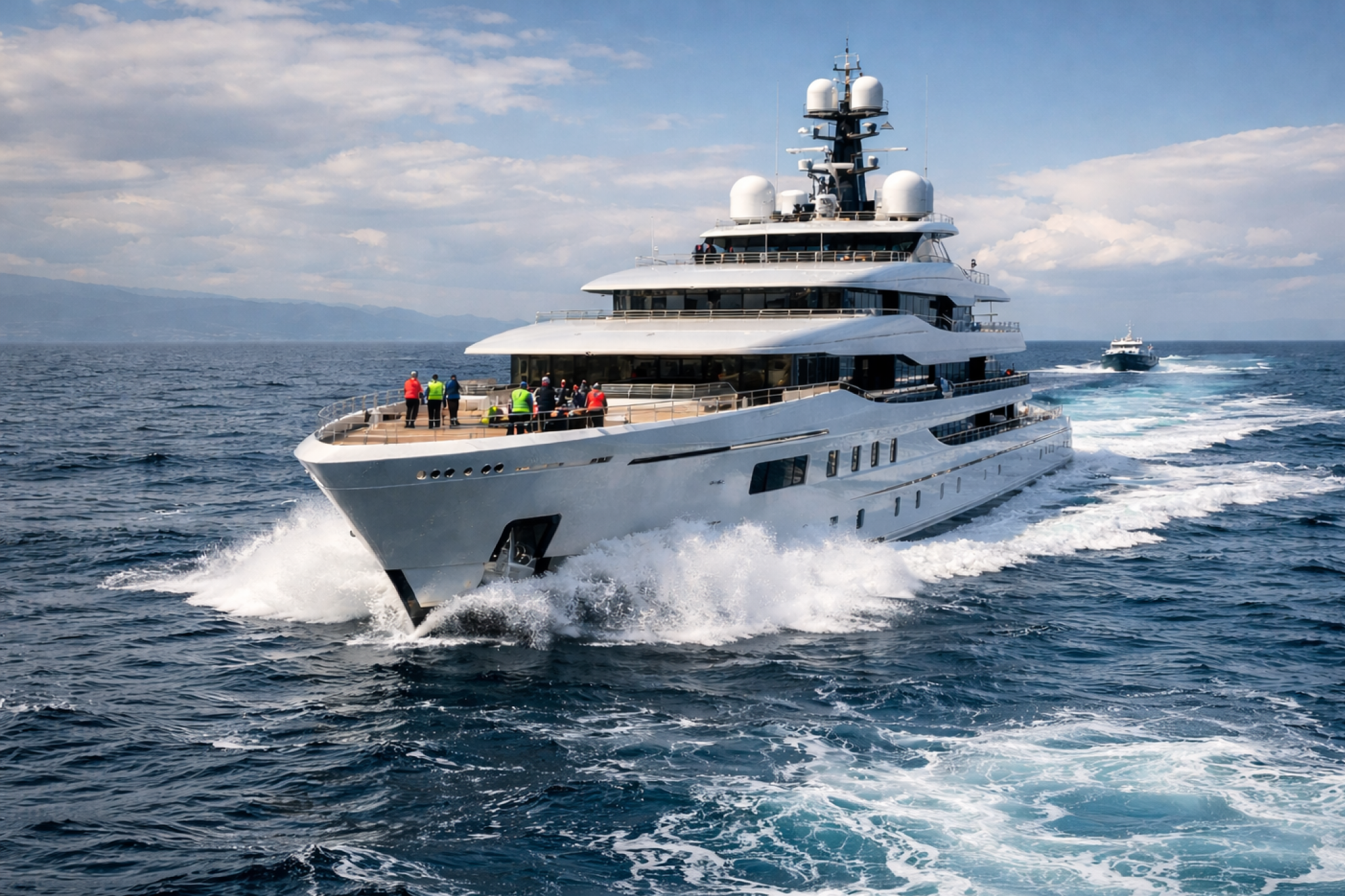
Sea trials are on-water performance tests carried out after construction and outfitting are substantially complete, but before official delivery. They allow shipbuilders, engineers, and surveyors to observe how the vessel behaves in real operating conditions.
Why Are Sea Trials Necessary?
Sea trials serve to:
- Verify real-world performance (speed, range, maneuverability)
- Test safety systems like bilge pumps, alarms, and emergency equipment
- Check propulsion, steering, and navigation under load
- Validate integration of onboard systems (electrical, HVAC, plumbing)
- Confirm compliance with class and flag regulations
Ultimately, they confirm whether the yacht or ship is ready for handover.
What Happens During a Sea Trial?
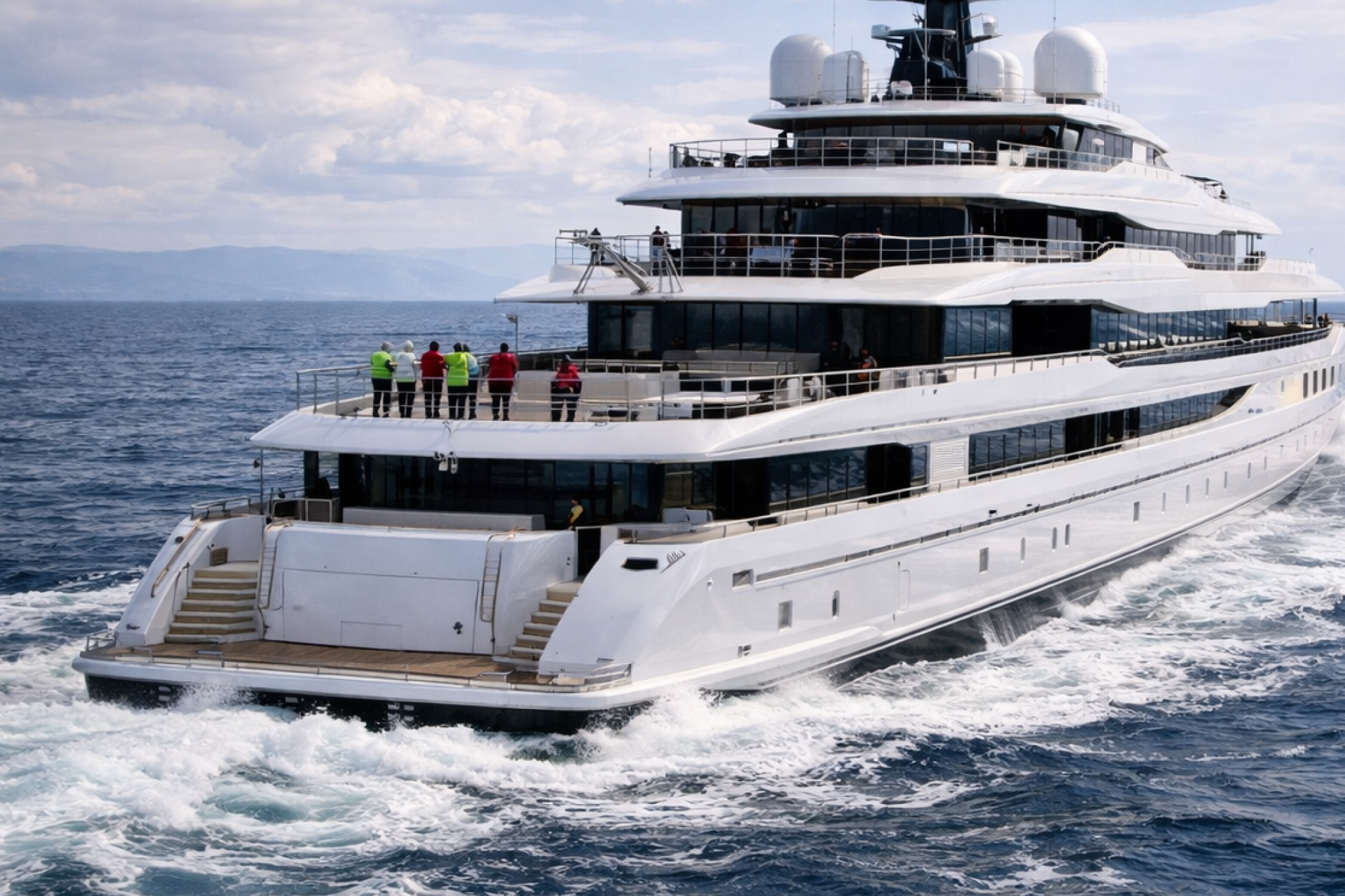
A typical sea trial includes several key test categories:
1. Speed and Power Tests
- Assess maximum and cruising speed
- Measure acceleration and fuel consumption
- Confirm engine and generator performance
2. Maneuverability and Handling
- Turning radius
- Crash stop (emergency braking)
- Zig-zag and evasive maneuver testing
3. Systems Integration
- Power distribution
- HVAC, plumbing, and galley equipment under full use
- Navigation, radar, and communication systems
4. Safety and Emergency Drills
- Bilge and fire suppression systems
- Life-saving equipment checks
- Emergency steering and backup controls
These tests are documented in real time, and results are reviewed by both the builder and classification society representatives.
When Do Sea Trials Take Place?
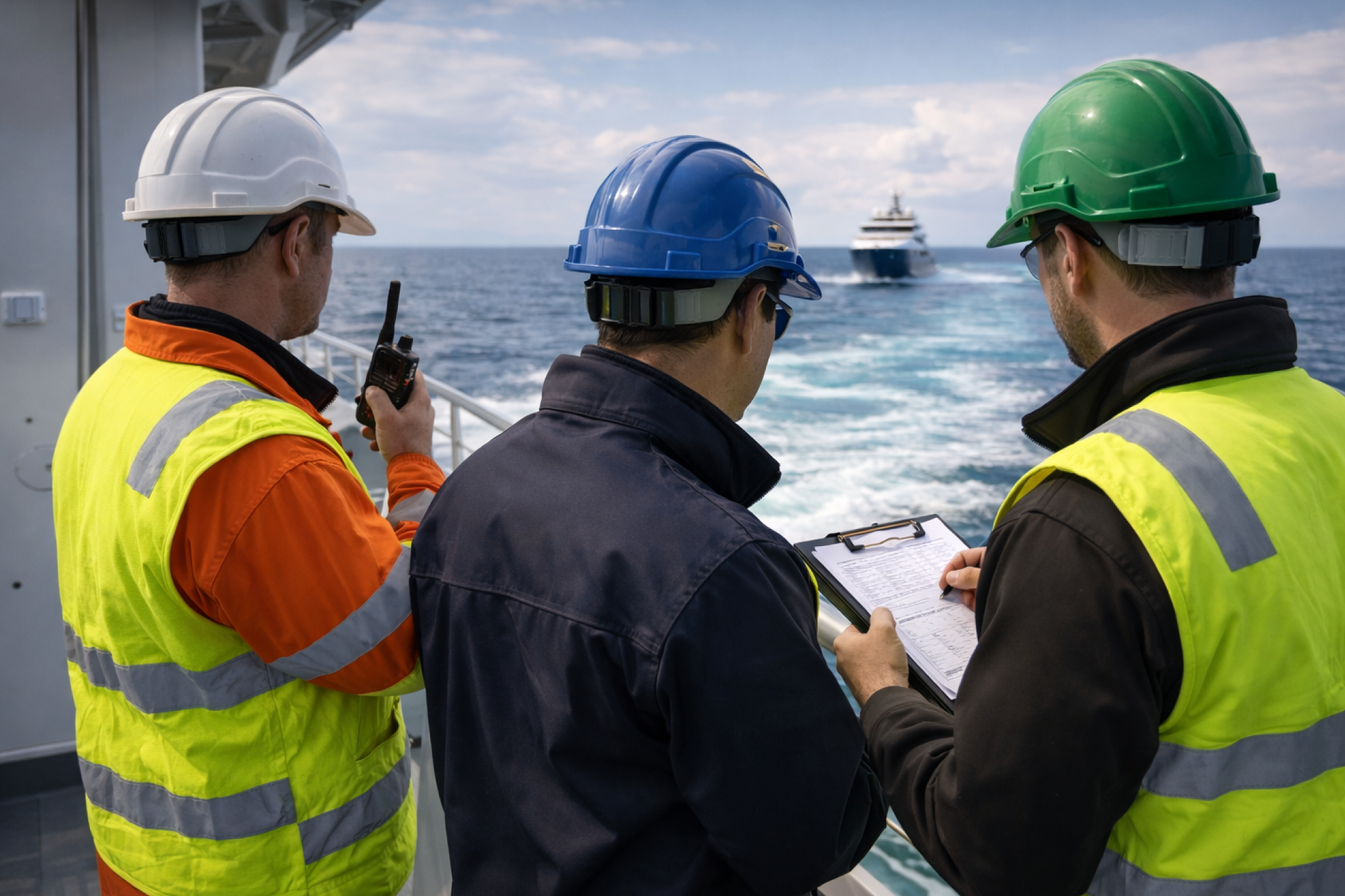
Sea trials typically occur:
- After outfitting is mostly complete
- Before final delivery
- Often in phases, with a trial run, updates or fixes, then a final approval run
Superyachts like REV Ocean or Project Shackleton may undergo multiple sea trials months before they are officially handed over.
Who’s Involved in Sea Trials?
A trial team typically includes:
- Shipyard engineers and system technicians
- Owner’s representatives or the future crew
- Classification society surveyors (e.g., Lloyd’s, DNV)
- Sometimes the flag state inspector
This ensures independent verification and that the results meet all legal and performance benchmarks.
Final Reports and Certification
Post-trial, the shipyard provides:
- A sea trial report covering every test result
- A list of corrections or adjustments to be completed
- Certification documentation for the flag and classification society
Only after these are completed and approved can the vessel be officially delivered.
Sea Trials in the Superyacht World
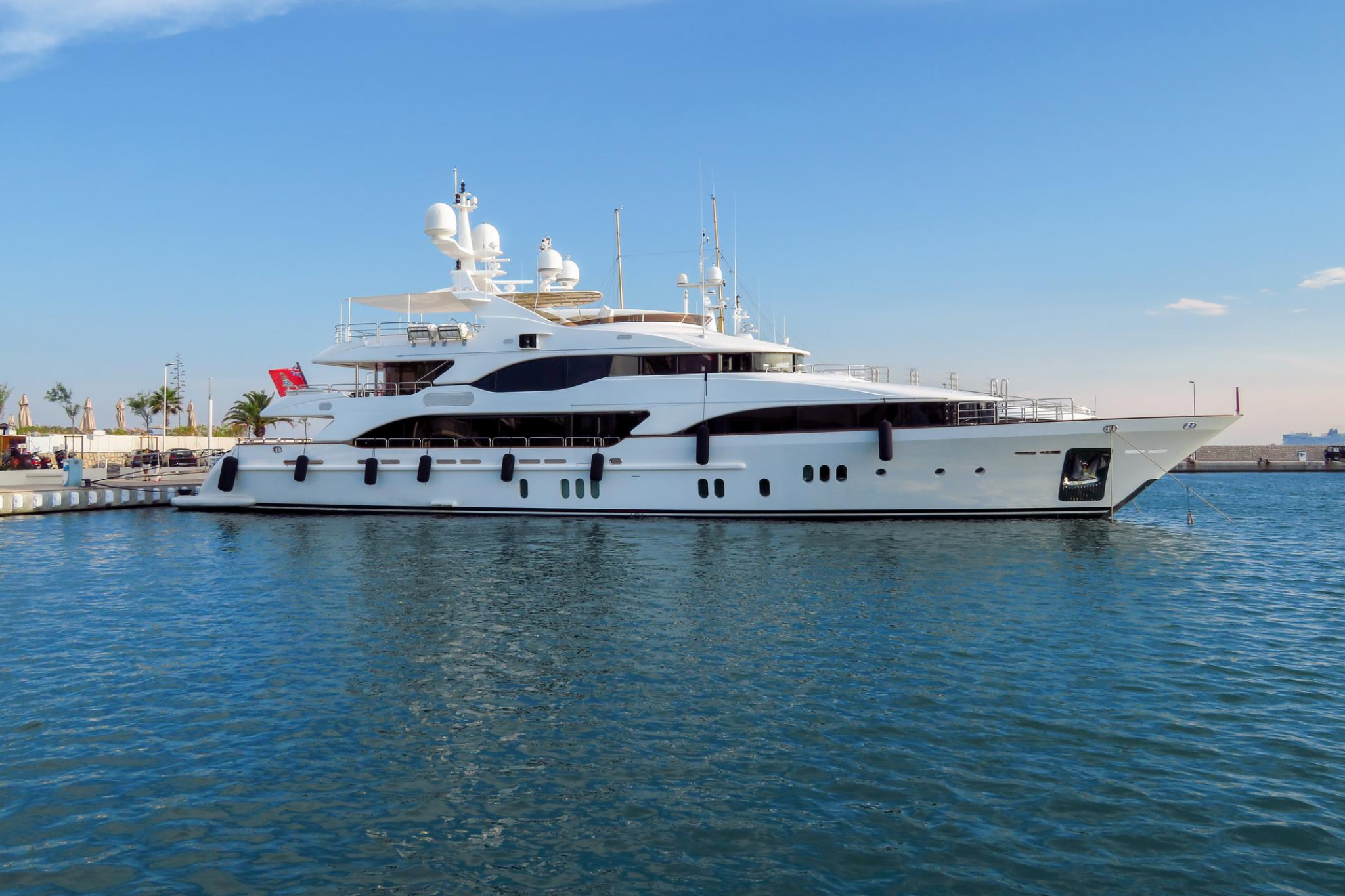
For yachts, especially those over 80 meters, sea trials are more than technical—they’re also experiential. Owners and designers may test:
- Noise and vibration levels in guest suites
- Stabilizer performance
- Tender handling and launch systems
- Jacuzzis, pools, spas, and other luxury systems
Everything is refined before the final handover, ensuring a seamless owner experience from day one.
You might also like

ULSTEIN CX127 EXPEDITION YACHT CONCEPT
The Best Boat Names to Make Waves: Clever Wordplay, Timeless Nautical Flair, and Playful Pop Culture Picks
Rossinavi Seawolf X
Bluephire 34 Yacht: Redefining Mediterranean Luxury and Speed
The Mirarri Yacht: The 55-ft Yacht Shaping the Future of Luxury Seafaring