Cruise Myths Debunked: The Truth Behind Common Misconceptions
Cruising has evolved dramatically over the past decade, yet many travelers still hold on to outdated beliefs that no longer reflect the reality at sea. From who cruises are designed for to what life onboard actually looks like, cruise myths can shape expectations — and even stop some from booking altogether.
This guide separates fact from fiction, debunking the most common cruise myths so you can plan your next voyage with confidence.
Myth 1: Cruises Are Only for Older People

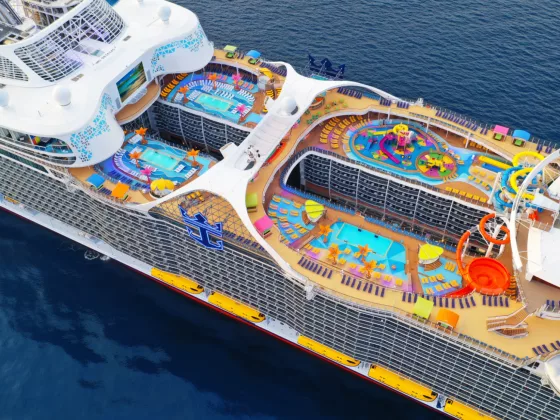
One of the most persistent cruise myths is that cruising is only for retirees. While cruises once had a reputation for catering to older travelers, today’s ships are intentionally designed to appeal to a much broader audience. Families enjoy onboard waterparks, kids’ clubs, and family excursions. Millennials and Gen Z gravitate toward themed sailings, high-energy nightlife, and adventure-focused itineraries.
Luxury and expedition cruises attract professionals seeking meaningful experiences in unique destinations. The truth is, cruise demographics are more diverse than ever — and cruise lines are meeting that demand with tailored offerings for all ages and interests.
Myth 2: Cruise Ships Are Always Crowded
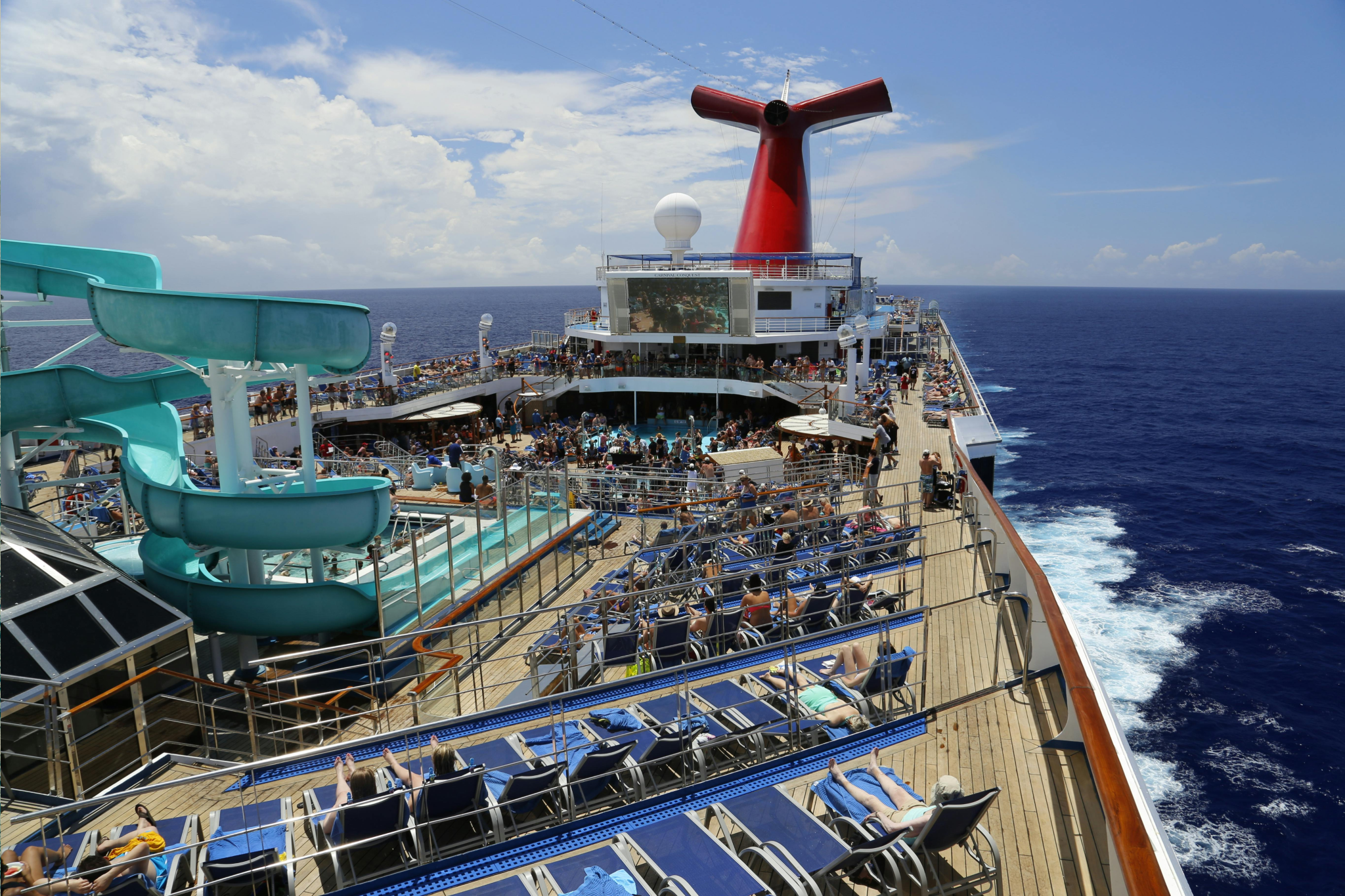
It’s easy to assume that cruise ships, especially the larger ones, feel overcrowded — but this is one of the more misleading cruise myths. Modern ship design prioritizes flow, privacy, and space. Public areas are spread out across multiple decks, and venues are scheduled strategically to avoid bottlenecks.
Many ships offer adult-only retreats, quiet lounges, and private balconies to create personal space even when sailing at full capacity. Smaller ships and luxury lines offer even more exclusivity, with low guest-to-crew ratios and intimate environments. With the right itinerary and ship choice, you can enjoy a cruise without ever feeling boxed in.
Myth 3: You’ll Feel Claustrophobic or Trapped at Sea

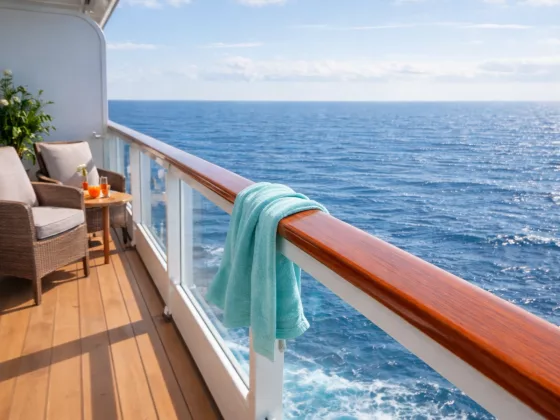
The idea of being “stuck” on a ship deters some would-be cruisers, but this concern rarely reflects the real experience. Cruise ships are designed to feel open, airy, and connected to the sea — with expansive decks, panoramic lounges, floor-to-ceiling windows, and balcony cabins that bring the ocean in.
Even during full sea days, guests have access to outdoor activities, wellness spaces, and cultural programming to keep the experience dynamic and engaging. If you enjoy resort-style relaxation, scenic sailing, or simply time to disconnect, a cruise offers the freedom to do just that — without ever feeling confined.
Myth 4: Cruising Is Too Expensive

Among the more common cruise myths is the belief that cruising is a luxury only the wealthy can afford. While there are certainly high-end options, many mainstream cruises offer surprisingly affordable fares — especially when you consider what’s included. Accommodations, transportation between destinations, most meals, onboard entertainment, and access to pools, lounges, and fitness centers are typically part of the base fare.
When compared to planning a multi-city land trip with hotels, transport, and meals, cruises often deliver better value. Deals, loyalty programs, and off-season pricing make cruising accessible for many types of travelers — not just those with big budgets.
Myth 5: You’ll Be Seasick the Whole Time

Worrying about seasickness is understandable, but for most people, it’s not a major issue — and this is one of the more exaggerated cruise myths. Today’s ships are equipped with advanced stabilizers that reduce movement even in open seas. Many itineraries stick to calm waters like the Caribbean or Mediterranean, where ocean swells are minimal.
If you’re concerned, book a midship stateroom on a lower deck — the area with the least motion. Pack seasickness remedies just in case, but chances are, you’ll find the experience far more stable than expected.
Myth 6: Cruises Are Boring
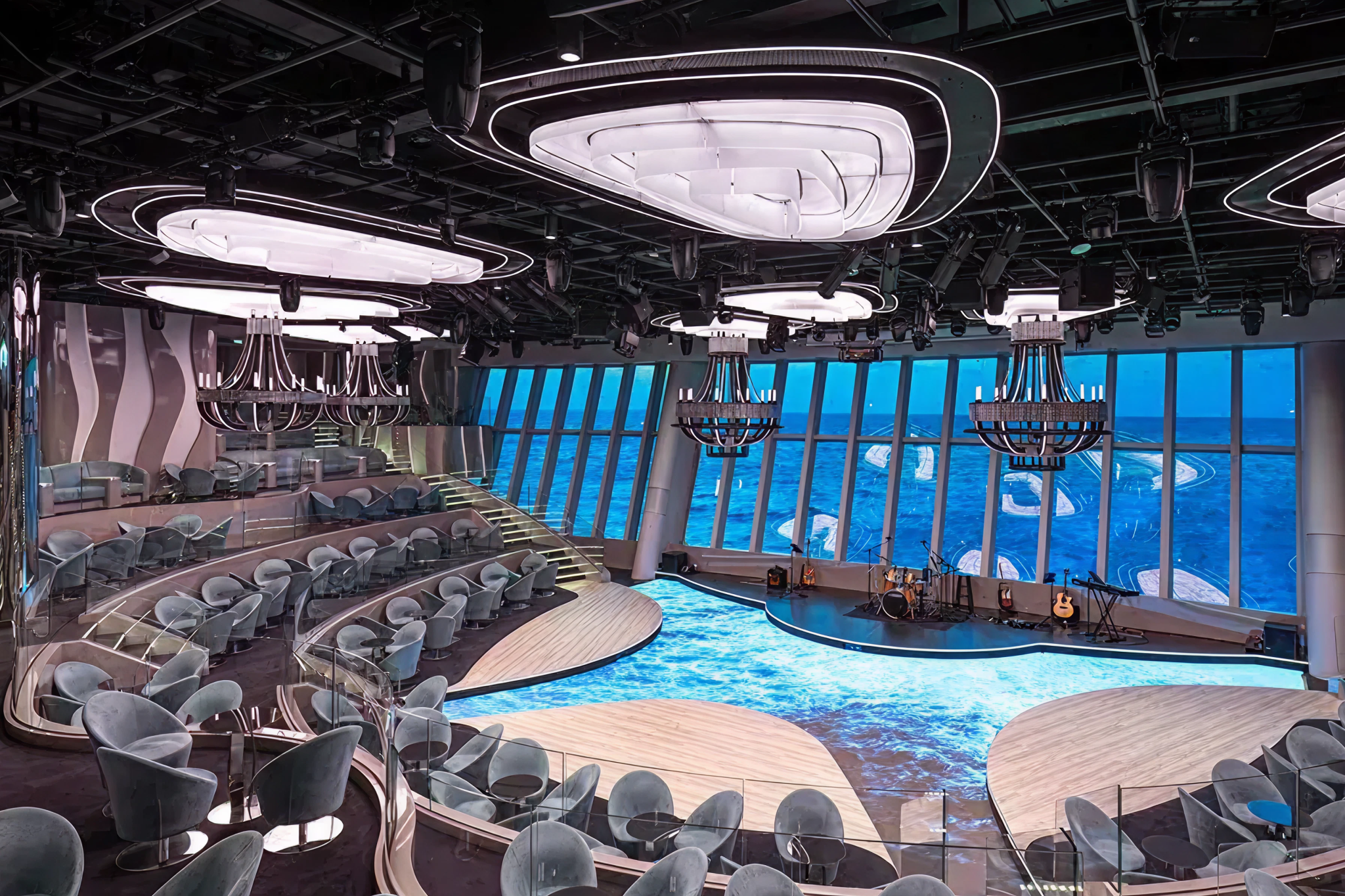
The idea that there’s “nothing to do” on a cruise ship couldn’t be further from reality. This outdated myth doesn’t hold up against what modern cruising offers. Depending on the ship, guests can enjoy live theater, cooking classes, art galleries, fitness programs, dance lessons, lectures, spa treatments, casinos, cocktail tastings, and immersive cultural workshops.
Many ships now feature high-tech experiences — think virtual reality, escape rooms, or waterslides suspended over the ocean. Whether you're looking for adventure, creativity, or relaxation, cruise ships are floating resorts with endless possibilities to explore.
Myth 7: You Have to Dress Up Every Night
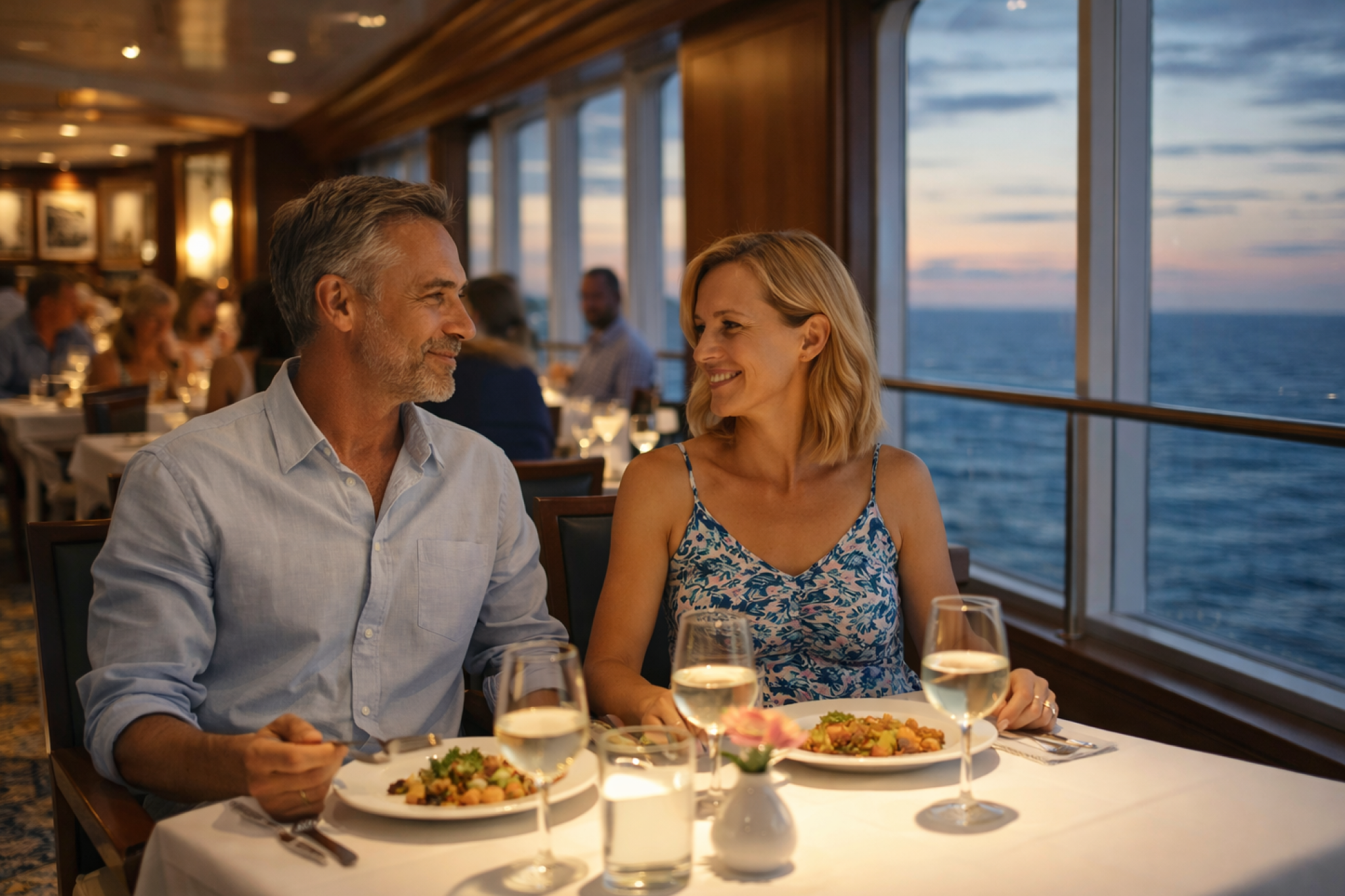
This is one of the more persistent cruise myths, rooted in the era when formal dress codes were strictly enforced. Today, most cruise lines adopt a relaxed approach to evening attire. “Resort casual” or “smart casual” is the norm in main dining areas, and while some ships still offer optional formal nights, they’re just that — optional.
You can enjoy upscale dining without packing a tuxedo or evening gown. For travelers who like to dress up, the option is there. For everyone else, comfortable, polished attire is more than acceptable.
Myth 8: Port Days Are Too Short to Be Worthwhile
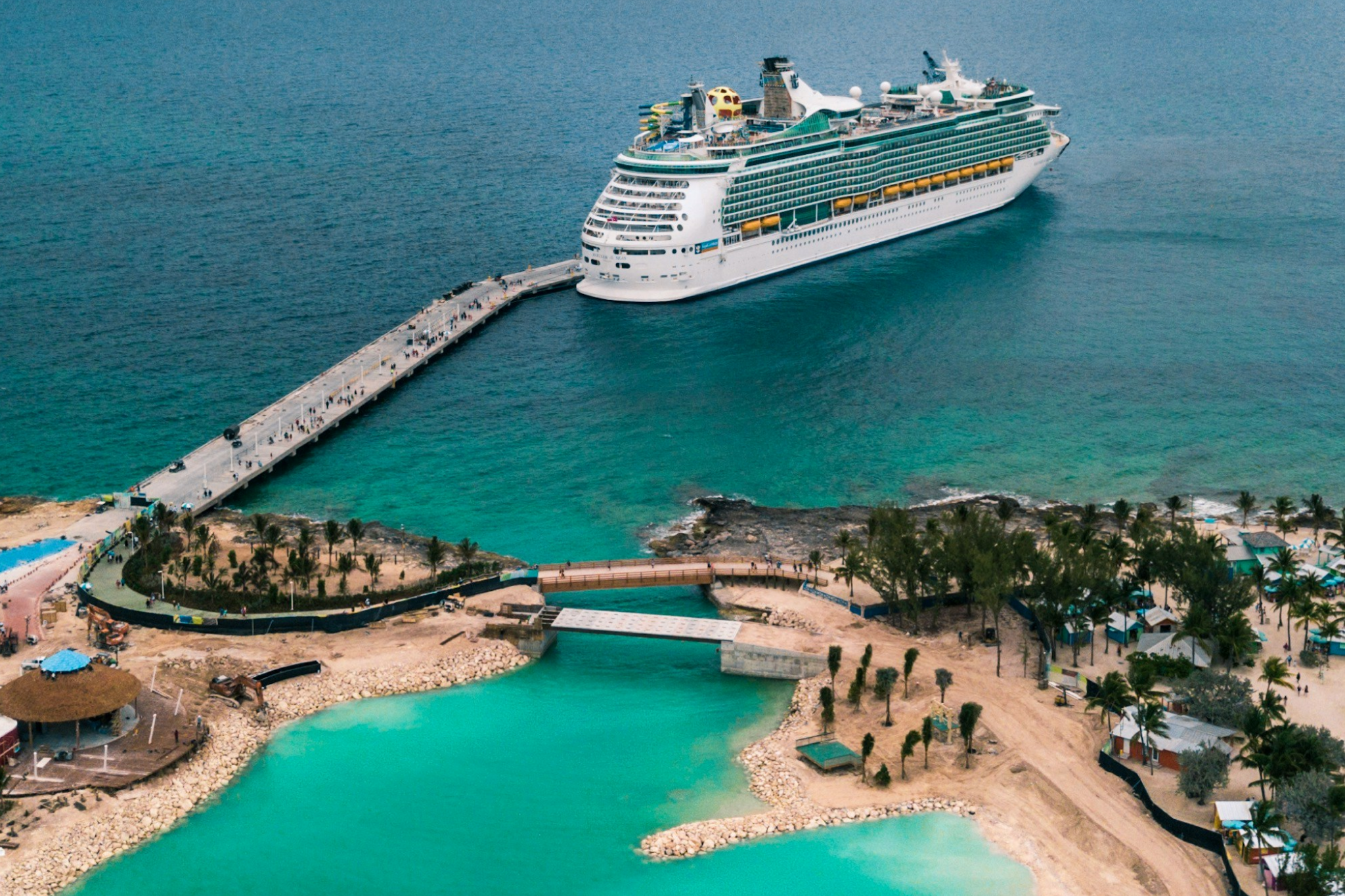
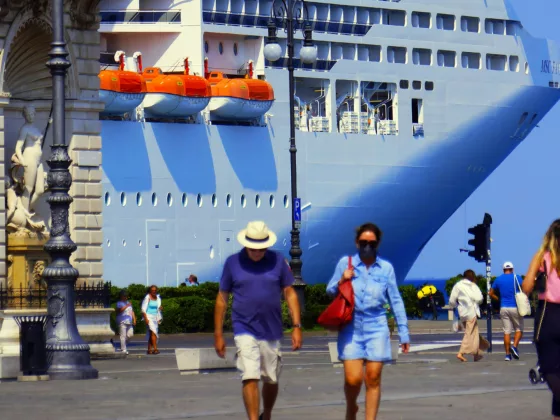
Some travelers assume they won’t have enough time to explore on shore, but most cruise itineraries allow six to ten hours in port — often arriving early in the morning and departing late in the afternoon. That’s ample time for guided tours, local dining, beach time, or cultural experiences.
Cruise lines often offer shore excursions curated for time efficiency, or you can explore independently with a bit of planning. And for those who want longer stays, some itineraries include overnight dockings in major cities — giving you the best of both onboard life and destination depth.
Final Thoughts |
|---|
| Cruising has come a long way from the stereotypes that once defined it. These cruise myths may still linger, but they no longer reflect what modern cruises actually offer: variety, value, flexibility, and access to the world’s most fascinating places — all from the comfort of a thoughtfully designed ship. By setting aside these common misconceptions, you open the door to a travel experience that’s as dynamic and diverse as the destinations you’ll visit. |
Frequently Asked Questions
1. Are cruises really only for older people?
Not at all. While retirees do cruise, most ships now welcome guests of all ages — including families, solo travelers, and young adults. Entertainment, dining, and activities are designed for a wide range of preferences.
2. Will I get seasick on a cruise?
Most travelers don’t experience seasickness thanks to stabilizers and calm-water itineraries. If you’re concerned, choose a midship cabin and bring medication as a precaution.
3. Do I need to wear formal clothes every night?
No. Most cruise lines follow a casual or smart-casual dress code, with formal nights optional. Pack what you’re comfortable wearing to dinner and onboard venues.
4. Are cruises really that expensive?
Cruises often offer great value by including accommodations, meals, and entertainment in the fare. With deals and flexible pricing, many options fit mid-range budgets.
5. Will I feel bored or confined on a cruise ship?
Modern ships are filled with dining options, shows, workshops, lounges, and wellness spaces — and designed to feel open and spacious, not restrictive.
Goes along
12 Fascinating Fun Facts About Cruise Ships You'll Want to Share
What Happens if You Miss Your Cruise Ship (and What to Do Next)
8 Things You Should Never Do in Your Cruise Cabin
You might also like

12 Fascinating Fun Facts About Cruise Ships You'll Want to Share
Orient Express Silenseas
What is the Largest Carnival Cruise Ship? It's Carnival Jubilee
Disney Destiny: A First Look at Disney Cruise Line’s Newest Ship
Secrets of the Floating City: How to Run a Gigantic Cruise Ship